

Dogs have been bred for thousands of years to enjoy our company. They’re well-known for their boundless loyalty and unwavering love; termed man’s (and woman’s) best friend.
However, their deep attachment to us can lead to challenges when they’re left alone.
Are you wondering if your dog has separation anxiety? Or seeking guidance on overcoming it, you’ve come to the right place!
In this blog post, we’ll delve into the signs of separation anxiety in dogs and provide practical advice to address this issue effectively.
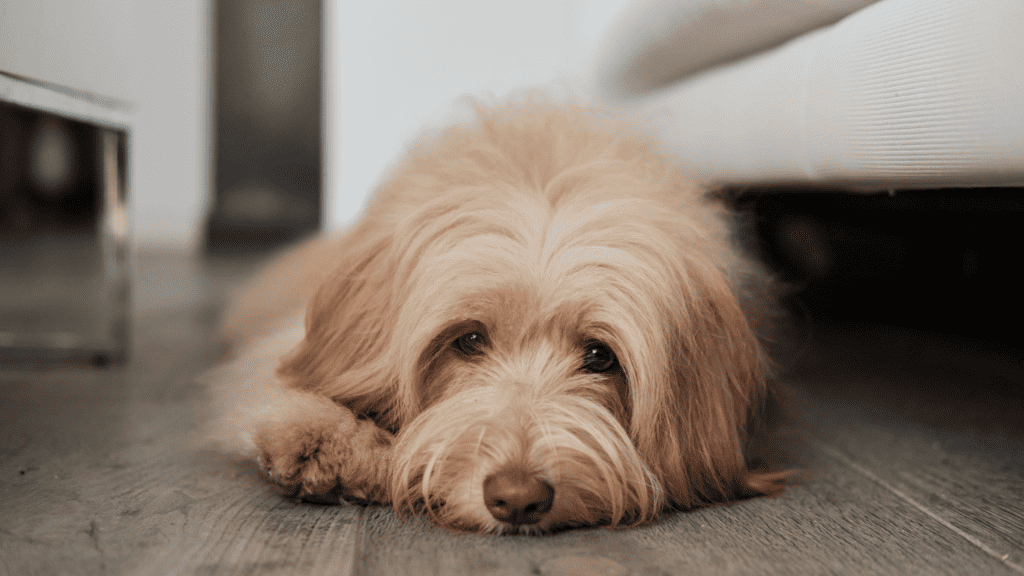
Recognising the signs of separation anxiety
1. Excessive barking or howling
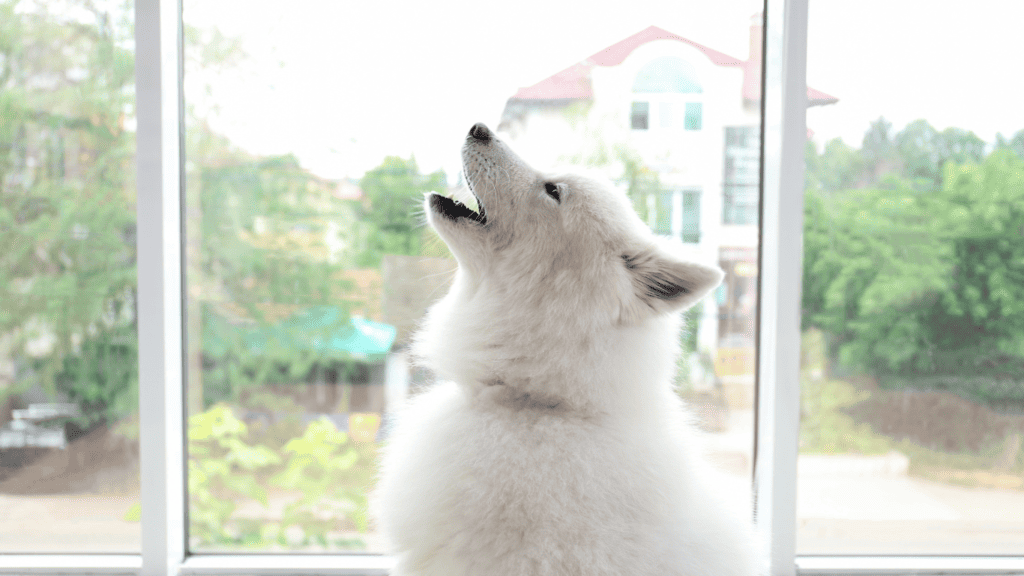
A BIG sign of separation anxiety in dogs is excessive barking or howling.
If your neighbours have complained about your dog making noise while you’re away, it’s possible that he’s experiencing separation anxiety.
Some dogs may bark or howl for hours on end, while others may only do it for a short period of time before becoming quiet.
Either way, it’s important to address this behaviour as your pup is distressed and it can be a source of frustration for both you and your neighbours.
2. Accidents and destructive behaviour
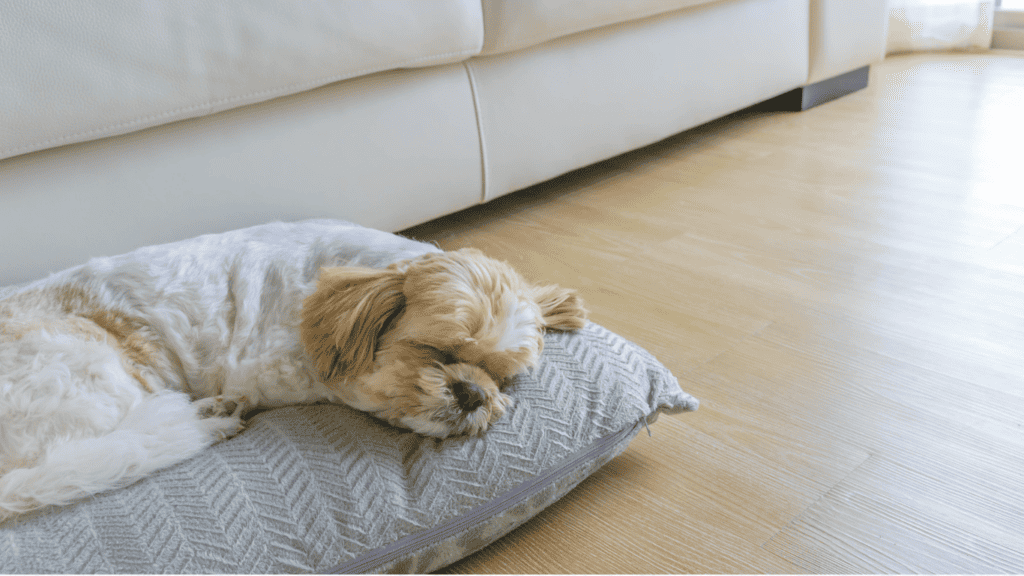
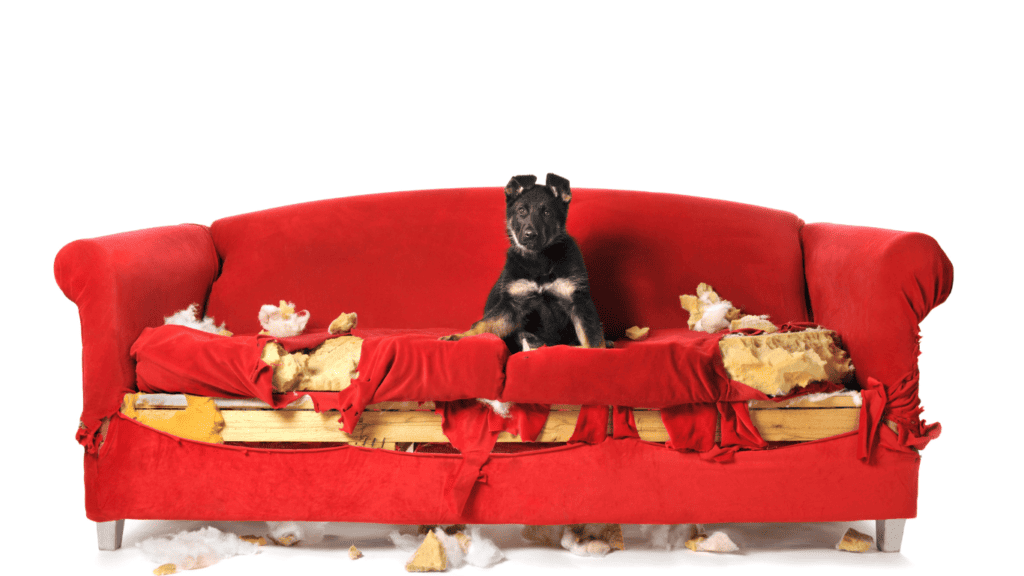
Separation anxiety can result in your dog becoming destructive around the home when you’re not around. This may include chewing on furniture, doors, or walls. This is another BIG sign of separation anxiety.
These destructive behaviours can be frustrating for you, and they can also be dangerous for your dog.
Dogs with separation anxiety may also have accidents inside, even if they are otherwise toilet trained because they are often unable to control their bladder or bowels when left alone.
If your dog is barking, howling, engaging in destructive behaviour or having accidents when you’re not home, it’s important to get help from a professional who will address the root cause of the problem.
Separation anxiety can be a complex issue, however with the right guidance and support it is possible to help your dog feel comfortable and happy home alone.
THE BREAK-FREE SEPARATION ANXIETY PROGRAMME
Reclaim your freedom with proven separation anxiety training for your dog!
3. Pacing and restlessness
Separation anxiety can manifest itself in many ways, one of which is pacing and restlessness.
If your dog exhibits these behaviours while you’re away, it could be a sign that they are experiencing anxiety. This is especially true if they are typically calm and relaxed when you’re around.
Pacing can take many forms – your dog might walk back and forth in a specific pattern, or they may simply move aimlessly around the room.
If you’re unsure what your dog does when you’re not at home it’s easy to set up a laptop or a second phone to watch your dog whilst you leave for a few minutes. And doggy cam’s are pretty cheap nowadays if that’s something you want to implement over a period of time.
Obviously, if you are surprised by your dog’s behaviour when you’re not home and are worried they are experiencing separation anxiety – get in touch with a professional right away.
4. Yawning and lip licking
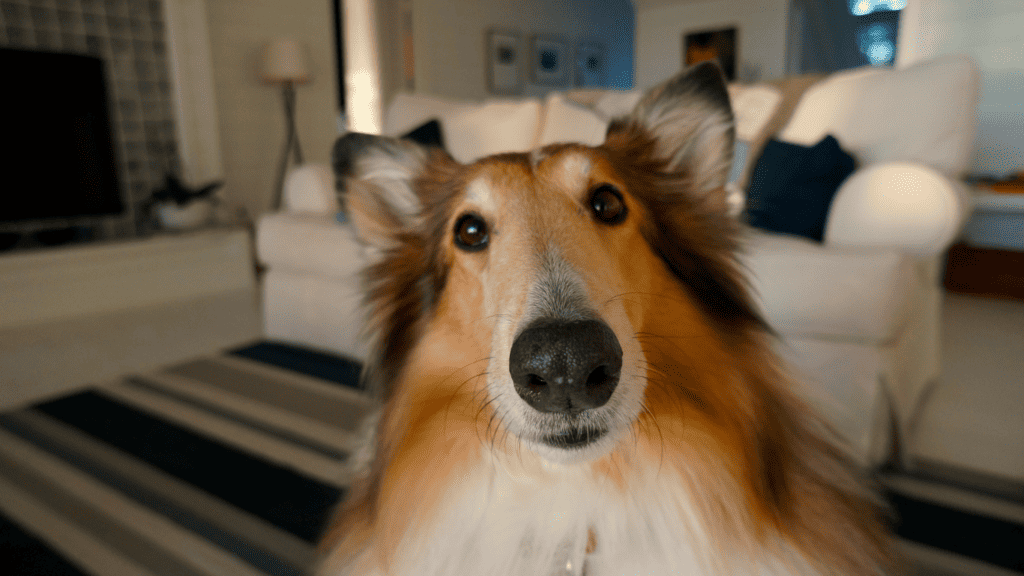
Yawning and lip licking are more subtle signs that your dog may be experiencing separation anxiety.
When a dog is feeling stressed, they may yawn frequently or lick their lips excessively. These behaviours indicate that your dog is feeling uneasy and uncomfortable.
If you notice your dog exhibiting these behaviours when you’re getting ready to leave, it could be a sign that they’re afraid of being left alone.
As this escalates to your dog feeling panicked and scared, that’s when you’re likely to see the BIGGER signs of separation anxiety described above.
Addressing separation anxiety in dogs
Tackling separation anxiety in dogs can be a challenging process, but it’s critical for your pup’s well-being and yours!
Living with a dog who struggles with separation anxiety is undeniably difficult. It can take a toll on you emotionally, leaving you feeling overwhelmed and trapped. But remember, it’s not your fault.
Gradual exposure to being alone, at a level where they can cope, is crucial for helping your dog overcome separation anxiety.
It’s important to remain patient and supportive throughout this process, as it may take some time for your dog to adjust to being alone.
Not sure where to start?
Don’t forget to check out my NEW Break-Free Separation Anxiety Programme here!
It’s available to book wherever you are in the world!
I hope this blog post has helped you to understand and recognise the signs of separation anxiety in dogs so you can prevent them from suffering when they’re alone.
If you enjoyed this blog post, please share it!
And you might find the following articles helpful to further your research:
- Separation Anxiety in Dogs | Blue Cross
- Separation Anxiety in Dogs | RSPCA
- Separation Anxiety in Dogs: How to Help a Puppy With Separation Anxiety (akc.org)
And my blog: How to teach your puppy to settle down – Landing on Your Paws


0 Comments