

Have you ever heard of puppy farms?
Puppy farms are places where dogs are bred from time and time again purely to make money.
Many people are unaware of the realities of these farms, the conditions the dogs are kept in, and the impact this has on the welfare of these animals.
In this blog post, we’ll take a closer look at what puppy farms are, how they operate, the impact they have on both dogs and the industry, and give you 5 warning signs not to ignore!
Brace yourselves for the shocking truth about puppy farms – and what you can do to help.

What are puppy farms?
To fully understand the issue of puppy farms, it’s important to first define what they are.
Essentially, puppy farms are breeding facilities that prioritise profit over the welfare of the dogs. They operate as a business. And a heartless one at that.
Puppy farms can range from small backyard operations to facilities with hundreds of dogs.
Sadly, they continue to run due to the high demand for designer and purebred dogs and a lack of education around the industry (hence this blog article!).
The reality of puppy farms
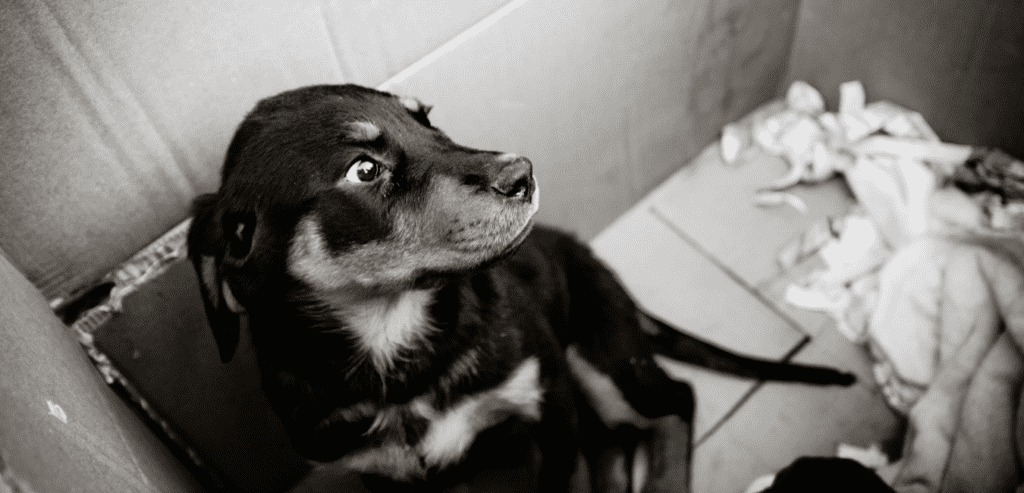
Dogs are kept in small cages with no physical or mental stimulation.
The conditions are unsanitary and there’s little access to proper food, water, or medical care.
Bitches are bred from when they’re puppies themselves and aren’t given time to recover before having their next litter. They’re stressed out to the max, which of course impacts their unborn babies.
The new pups don’t experience positive human interactions, what it’s like living in a home, they don’t have space to move and to grow physically, emotionally and mentally.
Many of the dogs suffer from health problems and behavioural issues as a result of the harsh conditions they are forced to endure.
Because puppy farms focus on making money and producing as many puppies as possible, they often resort to inbreeding which can lead to genetic health issues and a reduced lifespan of the puppies.
Louise Scott shares exclusive access to a puppy farm raid in this report by ITV News aired on 29th November 2022.
No animal should live like this.
It’s heart breaking if you can bring yourself to watch it.
I believe education is key to stopping this industry for good!
You can help by spreading the word and encouraging family, friends and colleagues looking for a puppy to do their research and know the signs that they’re in contact with a puppy farm breeder.
The impact of puppy farms on dogs and the industry
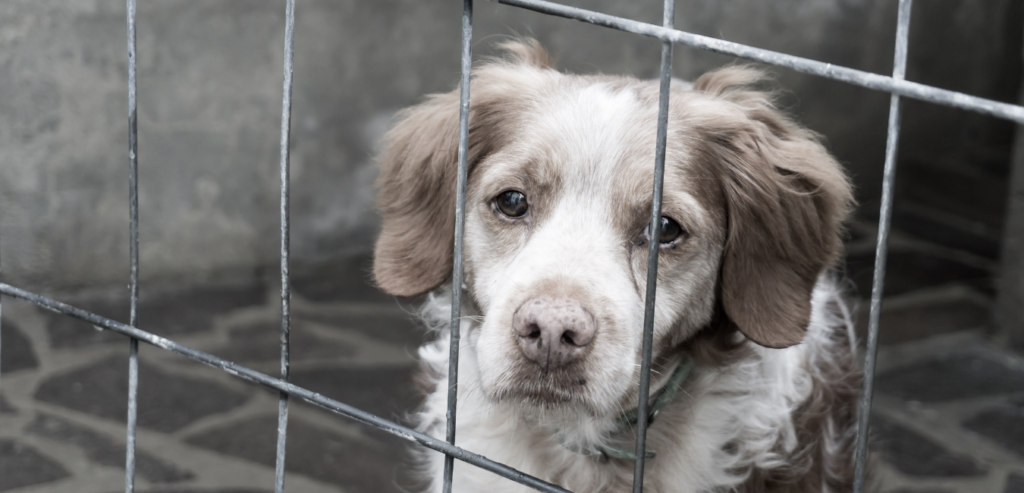
The practices puppy farms employ have a significant impact on the animals they breed and sell, as well as the broader animal welfare industry.
And, as previously discussed, pups bought from a puppy farm are more prone to genetic disorders and behavioural problems.
Puppy farms contribute to the problem of overbreeding, which leads to an excess of dogs in rescue centres and a strain on their resources.
#PuppyFarmAlert: 5 warning signs not to ignore!
If you’re looking to bring a puppy into your family, know these signs of puppy farm breeders so you can look elsewhere.
1. Multiple breeds available
If a breeder offers a wide range of different breeds, they could be more interested in producing as many puppies as possible rather than specialising in a specific breed.
2. Puppies always available
If a breeder always has puppies available and can provide them on demand, this is a massive red flag. Reputable breeders often have waiting lists and carefully plan their breeding programmes.
3. Lack of proper documentation
Reputable breeders will typically provide documentation of the puppy’s lineage, vaccinations, and health checkups. However, puppy farms often try to cut corners by not providing any documentation at all.
When you’re looking to bring a new furry friend into your family, it’s important to ensure that they’re healthy and free of any illnesses or diseases.
Unfortunately, puppies born and raised in puppy farms are often not vaccinated or treated for parasites, leaving them vulnerable to a range of health issues which can also put other pets and humans they come into contact with at risk.
4. Lack of transparency
Again, a reputable breeder will be happy to share information about their breeding practices, and the conditions in which the pups are raised. If a breeder is reluctant to answer questions, it could be a sign that they have something to hide.
5. No meet and greet with the pups’ parents
A responsible breeder will want to ensure that their puppies are going to good homes and will encourage potential buyers to meet the parents.
If the breeder refuses to let you meet the parents, it’s possible they are hiding a subpar breeding environment or health issues.
If you come across any of these warning signs when looking for a new puppy, it’s important to continue your search elsewhere.
The reality of puppy farms is a disturbing one. These mass breeding facilities prioritise profits over the well-being of animals, resulting in the mistreatment and neglect of countless dogs.
As consumers, we can take a stand against this cruel industry by doing our research and only supporting reputable breeders and rescue organisations.
As a nation of dog lovers, we can spread awareness and advocate for change.
As Mahatma Gandhi once said, “the greatness of a nation and its moral progress can be judged by the way its animals are treated.”
Let us strive to be a more compassionate society and prioritise the welfare of our furry friends.
If you enjoyed this article, please share it! The more people who know about the harsh reality of puppy farms the better!
Let me know in the comments if this blog post has helped you.
You might also like:
Thanks for reading.
Lindsay xx
P.S. I created my FREE Puppy Start Right Workshop to help new and soon to be puppy parents give their pup the very best start in life.
Click the button below to start watching today!

FREE PUPPY START RIGHT WORKSHOP
A detailed journey into how to raise, socialise and train your puppy to give them the best start.
Click the button below to watch now and start implementing the right advice today!
*I’ll never share your details with a third party!*


0 Comments